

The Ultimate Guide to Measuring for Compression Stockings at Home
Posted On: August 25, 2026
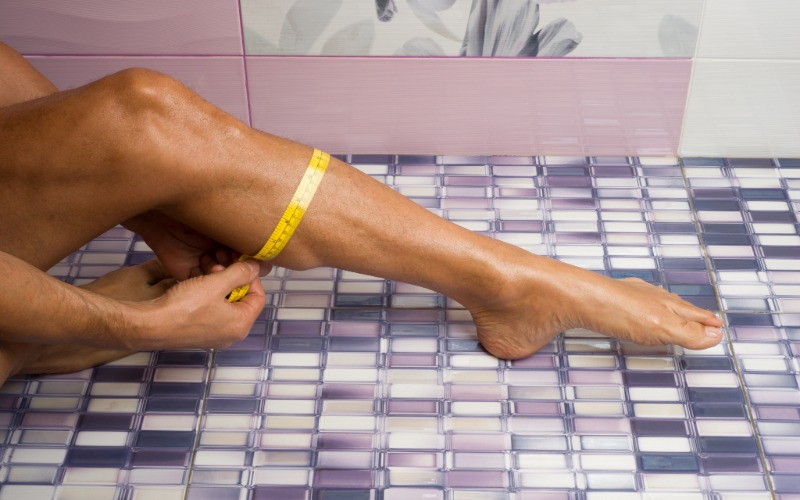
Getting an accurate fit for medical compression garments is essential for effective venous health management, reducing edema, and maintaining daily leg comfort.
Whether you are taking self-measurements or assisting a family member as a caregiver, precision is vital to ensure the stocking provides proper gradient compression.
This comprehensive Guide to Measuring for Compression Stockings breaks down the exact anatomical measurements required for every style—from knee-high options to full waist-high garments—right in the comfort of home.
Essential Sizing Rules Before You Begin
- Measure First Thing in the Morning: Fluid naturally pools in the lower extremities throughout the day. Taking measurements immediately after waking up ensures swelling is at a minimum, yielding the most precise baseline numbers.
- Maintain Neutral Posture: Keep feet placed firmly flat on the floor. Ask a caregiver or family member for assistance if reaching your lower legs causes physical strain or spinal flexion.
- Measure Directly on Bare Skin: Avoid measuring over pants or socks. Pull the measuring tape snug against the skin without digging into tissue, and record numbers to the nearest fraction of an inch or centimeter.
- Identify Skin Sensitivity Needs: If you or the person you care for has sensitive skin or fabric allergies, options like Sigvaris Cotton or KnitRite Corespun (which features extended sizing up to 3XL) offer soft, skin-friendly alternatives to standard synthetic fabrics.
Step-by-Step Measurement Breakdown by Garment Type
Different stocking styles require specific anatomical reference points. Follow the steps below corresponding to your prescribed or chosen style.
Measurement Reference Points
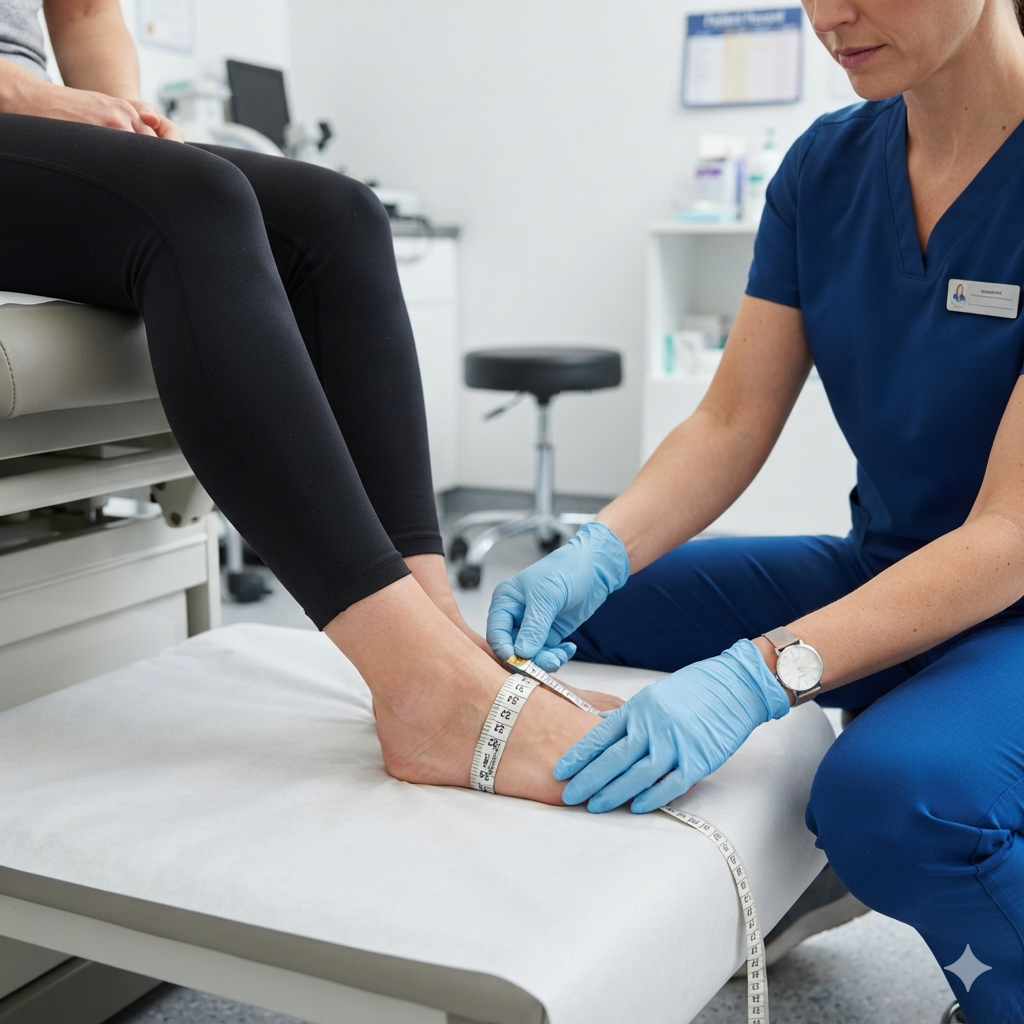
Arch width
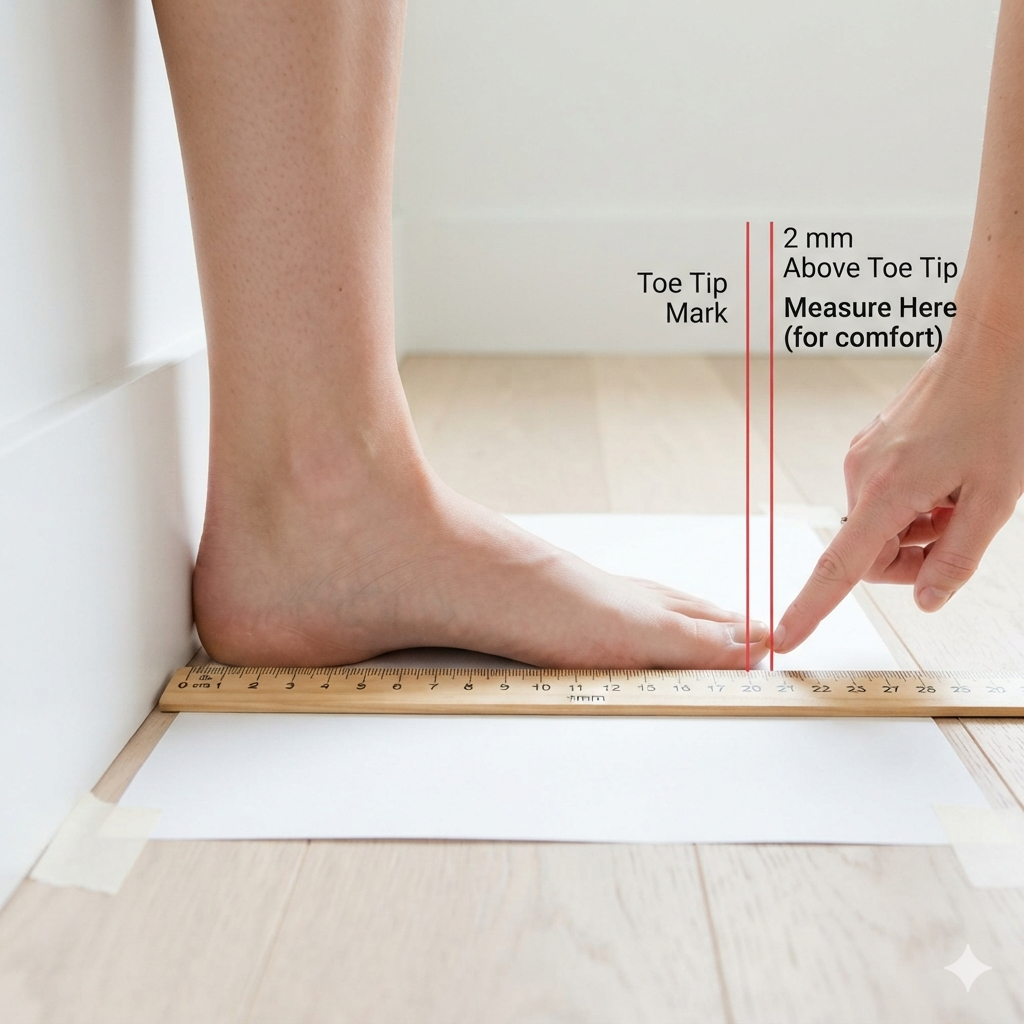
Heel to toe
.png)
Narrowest point above bone
.png)
Widest part of calf muscle
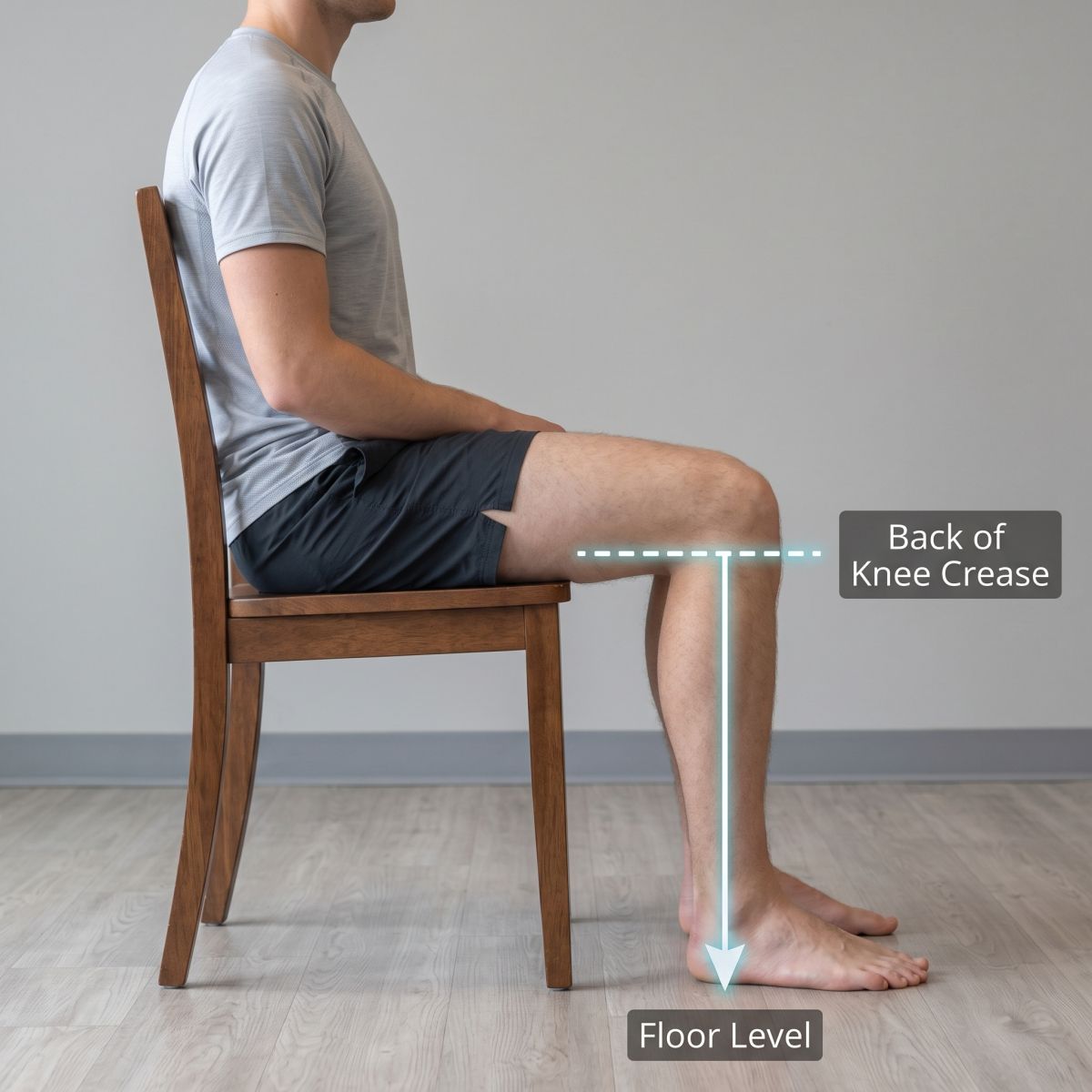
Back of knee bend to floor
.png)
At least 6" above knee
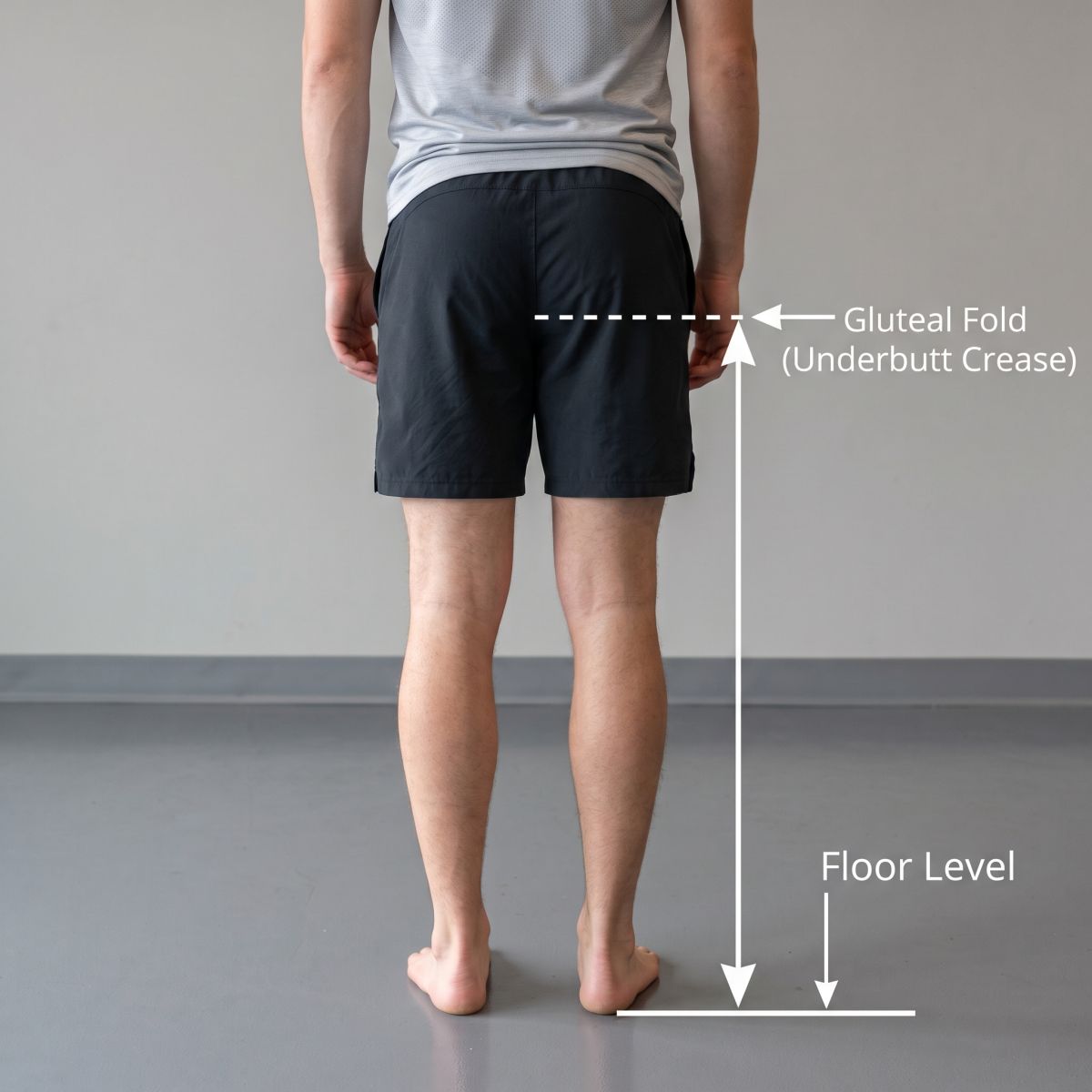
Gluteal fold to floor
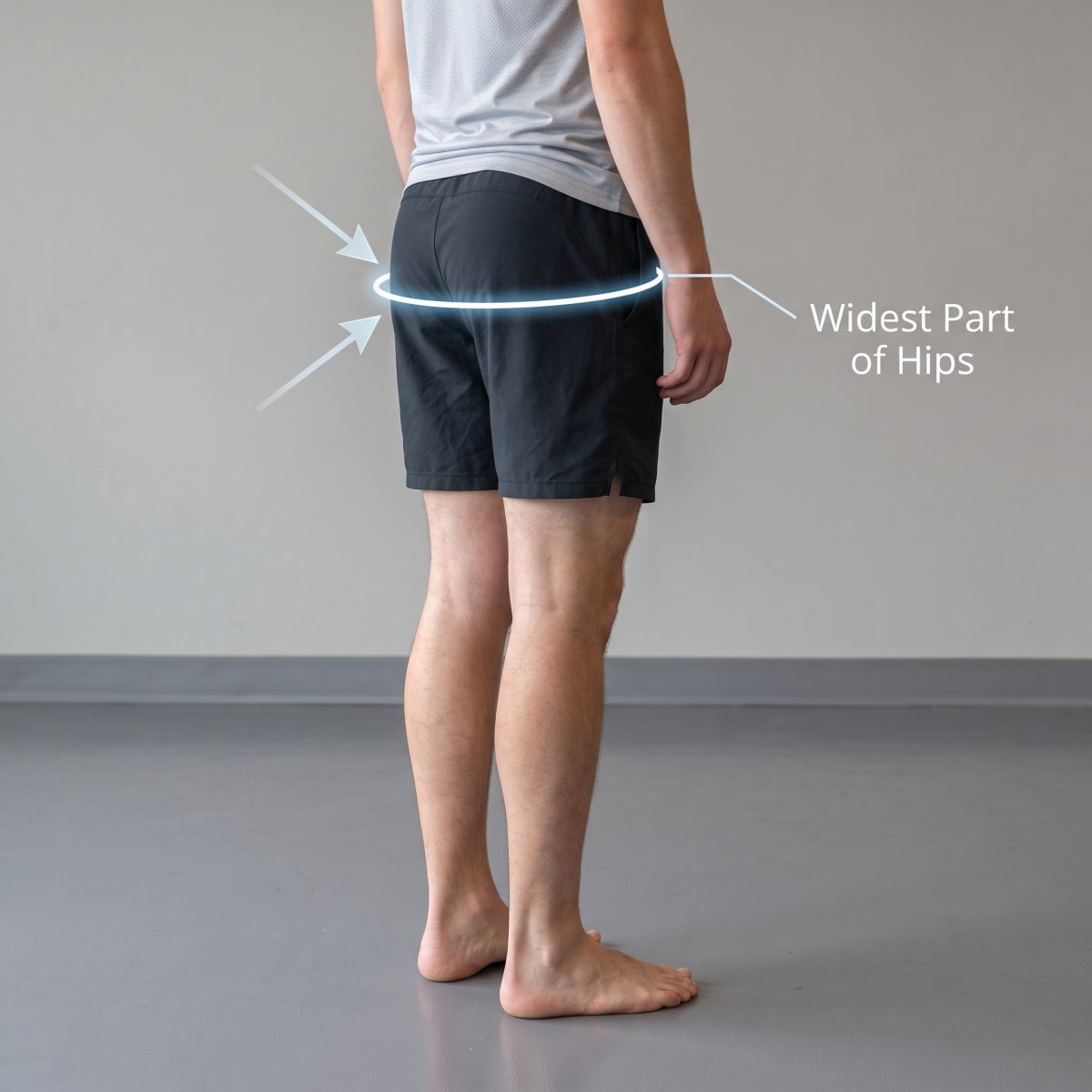
Widest hip
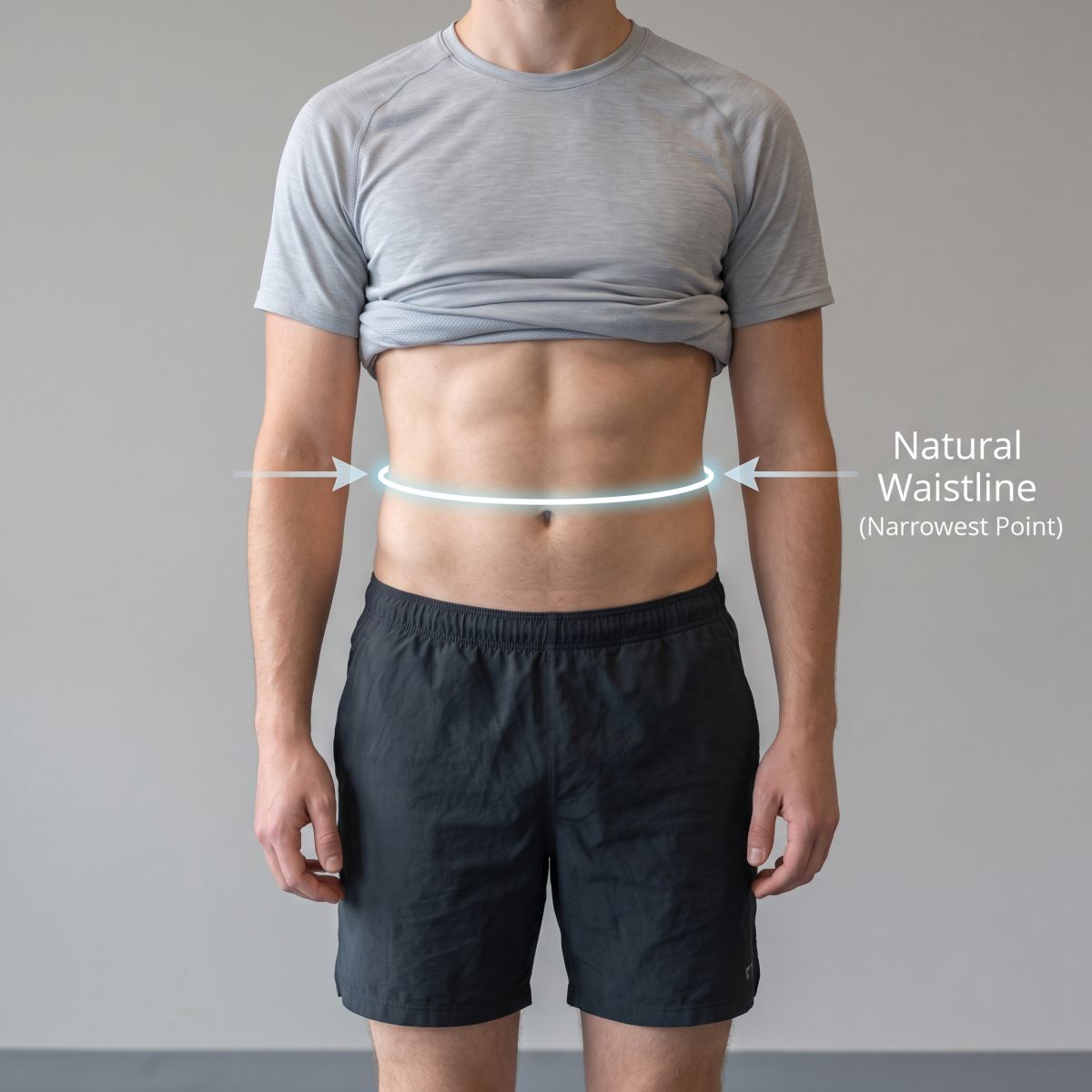
Natural waist
1. Knee-High (Calf-High) Stockings
Requires precise readings of the foot, ankle, calf, and lower leg length.
- Foot Arch Circumference: Wrap the tape around the mid-foot arch.
- Foot Length: Measure horizontally from the back of the heel to the tip of the longest toe.
- Ankle Circumference: Measure around the narrowest section of the ankle, located directly above the ankle bone.
- Calf Circumference: Locate the fullest, widest point of the calf muscle and measure the circumference.
- Knee Length (Height): Sit with knees bent at a 90-degree angle. Measure vertically along the back of the leg from the floor straight up to the bend behind the knee.
2. Thigh-High Stockings
Requires lower-leg numbers plus upper-leg circumference and height.
- Foot, Ankle & Calf: Complete the arch, foot length, ankle, and calf measurements detailed above.
- Thigh Circumference: Measure around the widest part of the upper thigh, at least 6 inches above the knee (or roughly 2–3 finger widths below the gluteal fold).
- Full Leg Length (Height): Stand upright (or lie flat if assisted) and measure vertically from the floor along the back of the leg up to the gluteal fold.
3. Waist-High Stockings & Pantyhose
Requires all lower- and upper-leg measurements, alongside midsection dimensions.
- Lower & Upper Leg: Record all arch, foot length, ankle, calf, thigh, and full leg length points.
- Hip Circumference: Measure around the widest horizontal section of the hips and buttocks.
- Waist Circumference: Measure around the natural waistline, located just above the navel.
Anatomical Measurement Master Reference Table
| Measurement Site | Required Style(s) | How to Locate the Point | Key Sizing Tip |
|---|---|---|---|
| Foot Arch | All Styles | Around the mid-foot arch | Keep foot resting flat |
| Foot Length | All Styles | Back of heel to tip of longest toe | Stand flat on a paper template |
| Ankle Circumference | All Styles | Directly above the ankle bone | Target the narrowest point |
| Calf Circumference | All Styles | Fullest section of calf muscle | Target the widest point |
| Knee Length | Knee-High Only | Floor to bend behind the knee | Sit with leg at a 90° angle |
| Thigh Circumference | Thigh- & Waist-High | At least 6" above the knee | 2–3 fingers below gluteal fold |
| Full Leg Length | Thigh- & Waist-High | Floor to gluteal crease | Keep leg straight while measuring |
| Hip Circumference | Waist-High Only | Widest point around hips/buttocks | Ensure tape is level horizontally |
| Waist Circumference | Waist-High Only | Natural waistline above navel | Keep relaxed posture; do not hold breath |
Finding Your Exact Fit with Binson's
After completing this Guide to Measuring for Compression Stockings, compare your recorded dimensions against manufacturer sizing charts. If measurements fall between sizes, or if an individual experiences uneven swelling across limbs, professional guidance helps prevent fitting errors.
Binson's team of certified fitters provides support across various channels:
- In-Store Fittings: Visit a local Binson's location across Michigan, Florida or Indiana for expert in-person measurements.
Frequently Asked Questions
What if a person's left and right legs measure differently?
It is common for legs to differ in circumference due to localized edema or venous conditions. Record both sets of measurements separately. A certified fitter can assist in choosing two different off-the-shelf sizes or setting up a custom-knit garment.
How tight should medical compression stockings feel?
Compression garments must feel firm and snug, with the highest pressure applied at the ankle and gradually decreasing up the leg. They should never cause numbness, severe discomfort, or skin pinching.
Can a caregiver complete these measurements for a patient living with mobility impairments?
Yes. A caregiver can comfortably measure a person who is lying flat in bed or sitting up straight, ensuring accuracy without placing strain on the individual.
Image Disclosure: The reference visuals in this article were AI-generated for illustrative and educational purposes.



0 comments