

The Best Foot Cream for Cracked Heels: A Diabetic-Safe Guide to Softer Skin
Posted On: August 17, 2026
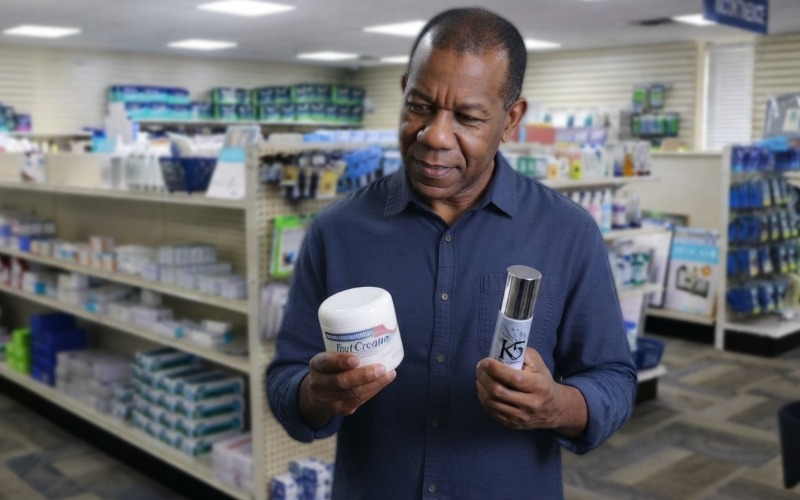
Discover the best foot cream for cracked heels. Learn how key ingredients like urea and dimethicone soothe dry skin, and explore top product picks available at Binson's.
Cracked heels are common, uncomfortable, and often made worse by dry skin, pressure, friction, or inconsistent care. The best foot cream for cracked heels is one that softens rough skin, supports moisture retention, and fits easily into a simple routine you can repeat. With the right formula and a few practical habits, your feet can feel smoother, more comfortable, and better cared for.
What Makes a Foot Cream Good for Cracked Heels?
A good cream for cracked heels does more than feel rich for a few minutes. It should help hydrate dry skin, smooth rough texture, and create a protective layer that slows moisture loss. Look for a moisturizing foot cream designed specifically for thick, dry foot skin rather than a lightweight body lotion that may disappear too quickly.
Useful ingredients often include humectants, which draw water into the skin, and emollients or occlusives, which help seal that moisture in. Many foot care products also include exfoliating ingredients to soften hardened areas gradually. If your heels are deeply split, bleeding, or painful, a person with a severe skin condition or diabetes should seek advice from a medical professional rather than relying on over-the-counter care alone.
Ingredients That Support Softer Heels
The label can tell you a lot about how a cream will perform. You do not need the longest ingredient list; you need the right types of ingredients working together.
Look for formulas that may include:
- Urea: Helps attract moisture and soften thick, rough skin. (Note for individuals with diabetes: Stick to mild, lower-concentration urea formulas unless recommended by your podiatrist, as strong chemical exfoliants can irritate fragile skin).
- Glycerin: A classic hydrating ingredient that supports moisture balance.
- Shea butter or cocoa butter: Adds richness and comfort to dry areas.
- Petrolatum or dimethicone: Helps form a barrier to reduce moisture loss.
- Lactic acid or similar exfoliants: Can help smooth buildup when used gently and in low concentrations.
If you have sensitive skin, start with a small amount and avoid heavily fragranced creams if they tend to irritate you. The best foot cream for cracked heels is not just effective; it is one your skin tolerates and you will use consistently.
Top Recommended Foot Creams at Binson's
To save you time searching, Binson's Medical Equipment & Supplies offers two targeted options packed with these high-performing ingredients:
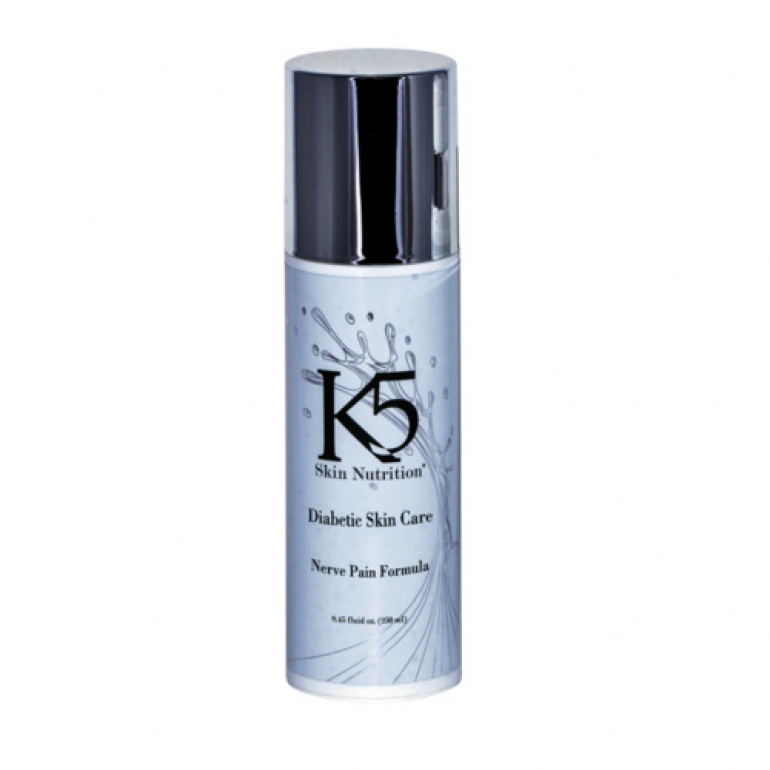
K5 Neuropathy Relief & Skin Repair Cream
Formulated to soothe discomfort while deeply hydrating dry, vulnerable skin. It delivers targeted relief for sensitive or severely dry feet.
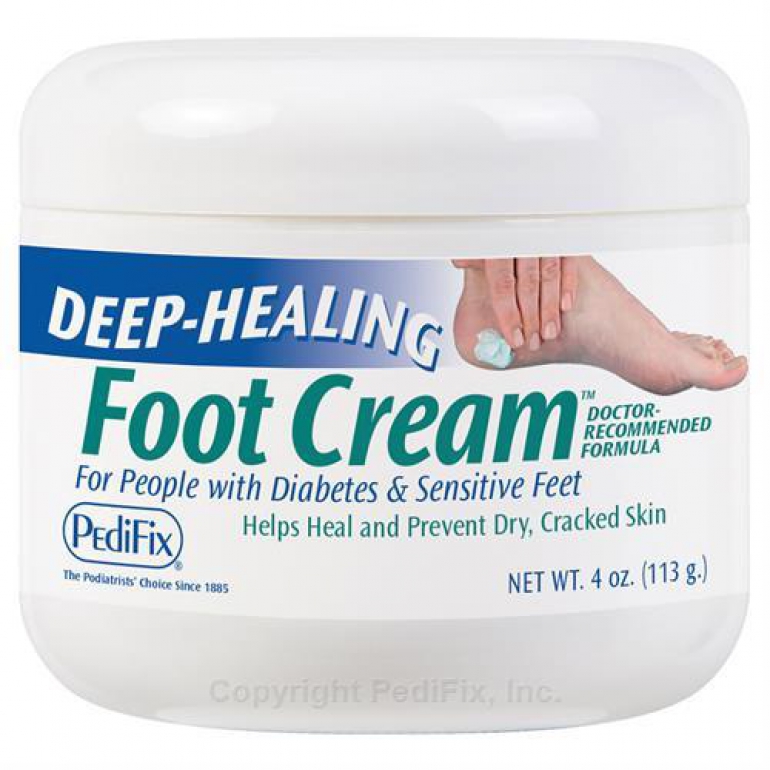
Deep-Healing Foot Cream
A rich, 4 oz formula designed to penetrate tough, thickened skin on the heels, restoring smoothness and locking in long-lasting moisture.
Step Up Your Comfort & Protection
Pair Your Daily Foot Cream with SoftPath Diabetic Socks
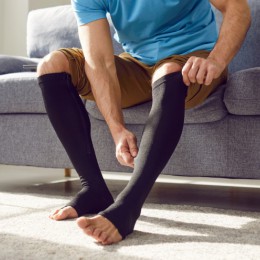
Complete your daily foot care routine with purpose-built protection. SoftPath Diabetic Socks feature a non-binding top to promote healthy circulation, extra padding to absorb shock, and smooth toe seams to reduce friction and guard against irritation.
How Should You Use Foot Cream for Better Results?
Use foot cream at night, when it has time to stay on the skin without being rubbed away by shoes or walking. Apply it after washing and drying your feet, focusing on the heel edge and any rough patches. For extra support, wear clean, breathable cotton socks after applying the cream to help keep it in place.
Simple, Diabetic-Safe Routine:
- Wash your feet daily using lukewarm water (test the water temperature with your elbow or wrist first).
- Dry your feet carefully and thoroughly, especially between the toes.
- Apply a generous layer of moisturizing foot cream to the heels and soles. Crucial Rule: Never apply cream between your toes, as trapped moisture can cause fungal or bacterial infections.
- Put on clean, breathable socks before bed.
- Repeat nightly until skin feels smoother, then maintain several times per week.
Choosing Among Foot Care Products
Not every product in the foot care aisle is meant for the same job. A light daily lotion may help prevent dryness, but cracked heels usually need a richer cream or balm. Foot masks, files, and exfoliating treatments can be useful additions, but they should support your routine rather than replace regular moisturizing.
When comparing options, consider texture, ingredients, scent, and how quickly the product absorbs. A cream that feels slightly heavier may be better for overnight use, while a less greasy option may work better in the morning. If you wear sandals, stand for long periods, or live in a dry climate, consistent prevention matters as much as repair.
The Practical Takeaway
The best foot cream for cracked heels is a rich, targeted formula that hydrates, softens, and helps protect dry heel skin. Pair it with nightly application, breathable socks, gentle washing, and a daily visual foot inspection to keep your skin intact and safe. Healthy-looking heels come from steady, gentle care—not aggressive treatments.
Ready to give your feet the relief they deserve?




0 comments